14 Project-Based Learning Ideas and Examples for K-12
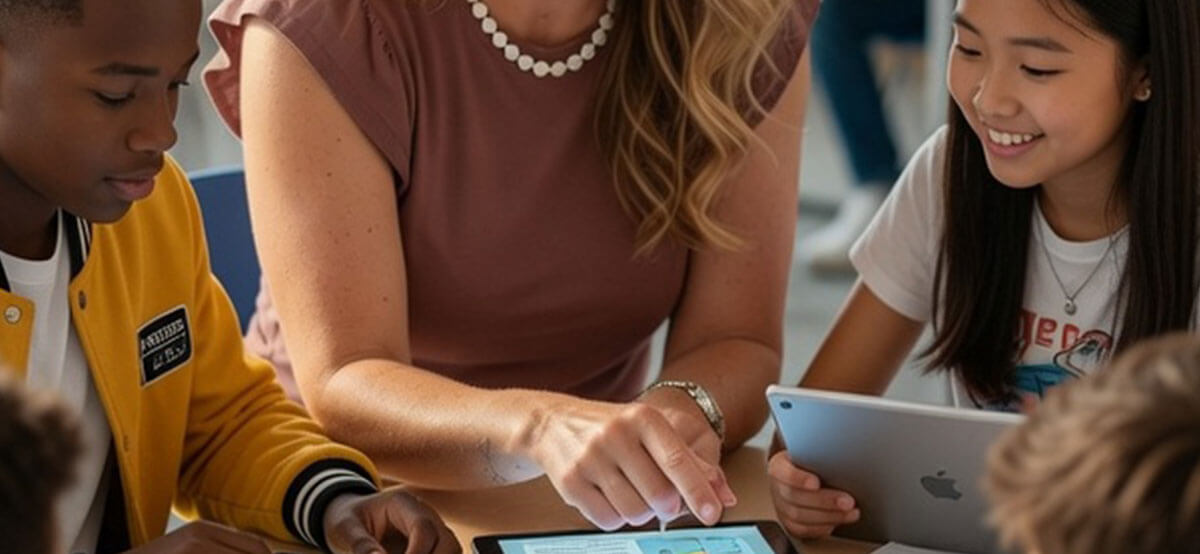
Project-Based Learning (PBL) remains one of the most powerful ways to prepare students for the real world by building critical thinking, collaboration, creativity, and the human skills AI can’t replace. In 2026, the best PBL ideas blend timeless principles with modern tools like AI for research, ideation, prototyping, and reflection.
Why PBL Ideas Still Matter in the AI Era
Students today need authentic learning experiences that foster agency, empathy, and ethical innovation. These projects emphasize AI-Resistant (human connection), AI-Assisted (tool for efficiency), and AI-Enhanced (deeper analysis/creation) approaches. CraftED’s hope is that teachers use AI for planning and scaffolding, while centering student voice and productive struggle.
This Ultimate Guide to Project-Based Learning Ideas updates my popular 2020 post with fresh ideas across grade bands and subjects. Each includes a driving question, key skills, AI integration opportunities (teacher and student use), and links to deeper resources. Use these as starting points and adapt with CraftED’s revised PBL planning form.
Elementary PBL Ideas (K-5)
These updated and modified project ideas focus on hands-on wonder, community, and foundational skills.
Community Garden Design: A Hands-On PBL Example for Elementary Students
In my years as a classroom teacher at High Tech High and national PBL coach, I’ve seen how projects like this spark wonder and real-world connections. This updated PBL idea blends timeless garden-based learning with modern AI tools, while keeping human observation and collaboration at the center.
Driving Question:
How can we design and maintain a school or community garden that nourishes people, supports local ecosystems, and teaches us about sustainability?
Project Overview:
Students investigate community needs, research native plants and ecosystems, design a garden, plant (or simulate), maintain it, and share the harvest. Perfect for K–5 science, math, ELA, and social studies.
Key Skills & Standards:
- Life cycles, measurement, data tracking, persuasive writing, teamwork.
- Aligns with NGSS, Common Core, and SEL competencies.
Optional AI Integration:
- Teachers: Use NotebookLM to synthesize research on native plants or generate planning templates.
- Students: AI image tools for initial design sketches (then build physical models with real materials). AI apps for basic plant care reminders, combined with students fact-check through hands-on observation. Stress AI as a starting point, not a replacement for empathy and real-world testing.
Milestones & Scaffolding:
1. Community needs assessment (interviews/surveys).
2. Research & design phase
3. Build/plant and maintenance with data journals.
4. Harvest celebration and reflection.
Final Products & Exhibition:
Garden blueprint, planting calendar, family recipe book from produce, guided tour for families/community. Host a showcase event!
Assessment & Reflection:
Use rubrics for process, product, and a reflection journal: “What did I learn through my hands and eyes that AI couldn’t teach?” Include peer feedback and self-assessment.
Teacher Tips & Differentiation
Start small with container gardens. Differentiate with choice in roles (researcher, designer, gardener).
Pack This, Not That: Healthy & Sustainable Guides – An Updated Classic PBL Example
Driving Question: How can we create guides that help our families and community make healthier, more sustainable choices for food and packaging?
One of my most popular ideas from the original 2020 PBL hub has been refreshed for today’s classrooms. This project-based learning idea combines nutrition, environmental science, and persuasive communication while thoughtfully integrating AI as a supportive tool rather than a crutch.
Project Overview:
Students research nutrition and environmental impacts, analyze real-world choices, and design practical guides or campaigns to influence positive change at home, school, or in the community. Ideal for grades 3–8.
Target Grade Band & Subjects:
3–8 | Health, Science, ELA, Design/Arts.
Key Skills & Standards:
Research and data analysis, persuasive writing, infographic and multimedia design, collaboration, critical evaluation of sources. Aligns with NGSS, Common Core ELA, and health standards.
Optional AI Integration:
- Teachers: Use AI tools like NotebookLM to quickly summarize current nutrition or sustainability data.
- Students: Generate draft summaries or initial infographic ideas with AI, then fact-check against reliable sources and personalize with hand-drawn elements or original photography. Emphasize the importance of human judgment in evaluating what is truly “healthy and sustainable.”
Milestones & Scaffolding:
1. Personal and family choice audit.
2. Research phase
3. Guide creation and design.
4. Audience testing and feedback.
5. Campaign launch and reflection.
Final Products & Exhibition:
Printed or digital brochures, short explainer videos, school cafeteria posters, or a family newsletter. Host a “Healthy Choices Fair” or present to local stores/community groups.
Assessment & Reflection:
Rubric covering research quality, design clarity, and real-world impact (e.g., pre/post surveys).
Reflection prompt: “How did human insights make our guide stronger than what AI could create alone?”
Teacher Tips & Differentiation:
Perfect for PBL-lite in hybrid settings. Differentiate by offering choice in format (brochure vs. video) or focus area (nutrition vs. packaging).
Photo Essays: Community Stories & Change-Makers
Driving Question: How can we use photos and stories to highlight people and places in our community that make it special (or need our help)?
Project Overview:
Students take photos, conduct simple interviews, and create photo essays or digital stories to celebrate or advocate for their community. This builds on narrative writing, empathy, and local awareness.
Target Grade Band & Subjects:
K–5 | ELA, Social Studies, Arts.
Key Skills & Standards:
Narrative writing, interviewing, digital storytelling, empathy/SEL, visual literacy. Aligns with Common Core ELA and arts standards.
Optional AI Integration:
- Teachers: Use AI to suggest interview questions or organize photo collections.
- Students: AI for basic caption or layout suggestions (students take all real photos and add personal voice/reflection). Stress human connection through authentic storytelling.
Milestones & Scaffolding:
1. Community walk and photo brainstorming.
2. Interviews and story gathering.
3. Essay creation and digital assembly.
4. Sharing and reflection.
Final Products & Exhibition:
Individual or class photo essay book, digital slideshow, or community display board. Host a “Community Voices Night.”
Assessment & Reflection:
Rubric on storytelling quality, visual impact, and empathy. Reflection journal: “What did I learn about my community that a photo alone couldn’t show?”
Teacher Tips & Differentiation:
Start with phone cameras or simple drawings for younger students. Differentiate by offering choice in focus (celebration vs. advocacy). Excellent for parent involvement and PBL-lite at home.
Interactive Kids’ Exhibit on “What If?” Science
Driving Question: What if everyday objects worked differently? how can we redesign them to solve problems or spark joy?
Project Overview:
Students explore simple science concepts through “what if” experiments and mash-up inventions, then create an interactive exhibit for younger students or families.
Target Grade Band & Subjects:
K–5 | Science, Design, ELA, Arts.
Key Skills & Standards:
Scientific inquiry, engineering design, creative thinking, presentation. Aligns with NGSS and arts standards.
Optional AI Integration:
- Teachers: Use AI to generate “what if” prompts aligned to standards.
- Students: AI for initial idea brainstorming or simple diagrams (students build and test physical prototypes with real materials).
Milestones & Scaffolding:
1. “What if” brainstorming and research.
2. Experiment and prototype building.
3. Exhibit design.
4. Testing with audience and reflection.
Final Products & Exhibition:
Interactive displays or stations (e.g., “What if shoes helped us fly?” prototypes), explanation cards, and guided tours for younger classes or family night.
Assessment & Reflection:
Rubric on creativity, scientific thinking, and iteration. Reflection: “How did building with my hands change my ideas from the AI suggestions?”
Teacher Tips & Differentiation:
Use recycled materials for accessibility. Differentiate roles (idea generator, builder, presenter). Perfect hands-on PBL-lite for parents.
*AI Collaboration Disclosure: Drafted with AI support; all ideas grounded in my PBL expertise.
Middle School PBL Ideas (6th-8th)
Youth Hobbies & Entrepreneurship Fair – Passion-Driven PBL
Driving Question:
How can we turn our personal passions (like cooking or creative hobbies) into community initiatives or small businesses that solve real problems?
Inspired by my experience judging the City of Hobbies Youth Fellowship in Charlotte, this project builds on what students already love.
Project Overview:
Students inventory passions, conduct market research, prototype, and host a fair or pop-up.
Target Grade Band & Subjects:
6–8 | ELA, Math, Social Studies, Arts.
Key Skills:
Entrepreneurial thinking, budgeting, branding, presentation, iteration.
Optional AI Integration:
AI for initial market research summaries, recipe scaling, or branding copy drafts. Students validate with real surveys and human feedback.
Milestone:
1. Passion inventory.
2. Research and planning.
3. Prototyping and testing.
4. Marketing and fair day.
Final Products:
Booth setups, business plans or product prototypes, pitches, and community pop-up event.
Assessment & Reflection:
Focus on process, impact, and entrepreneurial mindset. Reflection on ethical/sustainable business practices.
Teacher Tips:
Great for workforce readiness and arts integration. Tie to local Charlotte opportunities.
AI Literacy: Myth-Busting & School Policy Project
Driving Question: How can we investigate AI myths and create ethical guidelines for responsible AI use in our school and community?
This project directly supports my AI Literacy in PBL e-course module and addresses a timely need for teachers and students.
Project Overview:
Students research myths, interview stakeholders, draft policies, and launch awareness efforts. Grades 7–12.
Target Subjects:
Digital Citizenship, ELA, Social Studies, Science.
Key Skills:
Critical evaluation, argumentation, policy writing, collaboration.
Optional AI Integration:
Students use AI to simulate debates or draft policies, then fact-check, identify hallucinations/biases, and incorporate human interviews.
Milestones:
1. Myth investigation.
2. Expert/practice interviews.
3. Policy drafting.
4. Advocacy and presentation.
Final Products:
Student-authored school AI policy guide, myth-busting campaign, parent night presentation or one-pager.
Assessment
Rubric on source evaluation and ethical reasoning + personal reflection.
Turning the Tide: Marine Debris Solutions – A Place-Based PBL Example
Driving Question: How can we reduce marine debris in our local waterways and inspire our community to take action?
Project Overview:
Students conduct local cleanups, analyze data, design solutions, and launch awareness campaigns. Strong fit for middle school.
Target Grade Band & Subjects:
6–8 | Science, Civics, ELA, Arts.
Key Skills & Standards:
Scientific inquiry, data collection/analysis, systems thinking, persuasive communication, civic engagement.
Optional AI Integration
- Teachers: Use AI to curate local data sources or generate proposal visuals.
- Students: Run simulations of debris impact with AI tools; draft campaign materials (students revise with authentic local stories and critique AI for bias or inaccuracies).
Milestones & Scaffolding
1. Local cleanup and data collection.
2. Research on sources and global solutions.
3. Prototype design (e.g., filtration system or reusable alternative).
4. Campaign development.
5. Community presentation.
Final Products & Exhibition
PSA videos or posters, physical/digital prototype, presentation to local officials or exhibition night.
Assessment & Reflection
Rubric on evidence-based solutions, creativity, and teamwork. Reflection: “What human actions are essential even with powerful AI tools?”
Teacher Tips & Differentiation
Incorporate field trips or virtual waterway tours. Differentiate roles based on strengths (data, design, advocacy).
Museum Exhibit on Local History
Driving Question:
What untold stories from our community’s past deserve to be shared, and how can we curate an exhibit that brings them to life for today’s audience?
Project Overview:
Students research primary sources, curate artifacts/stories, and design an exhibit. Grades 6–12.
Subjects: History, Arts, ELA.
Key Skills: Research, storytelling, curation, design.
Optional AI Integration:
AI for AR/virtual tour ideas or initial scripts; students lead with authentic sources and community voices.
Milestones:
1.Research
2.curation
3. exhibit design
4. tour scripting
5. opening event.
Final Products: Physical or digital exhibit, guided tour script, reflection podcast/video.
Assessment: Quality of curation, storytelling impact, and reflection on historical empathy.
Teacher Tips: Partner with local museums or historians. Strong arts integration opportunity.
School Climate Action Plan (Sustainability + Civics)
Driving Question: How can we create a realistic plan to make our school more sustainable and persuade leaders to adopt it?
Project Overview:
Students audit school waste/energy/water, research solutions, and develop a proposal with data and advocacy materials.
Target Grade Band & Subjects:
6–8 | Science, Civics, Math, ELA.
Key Skills & Standards:
Data analysis, proposal writing, civic action, systems thinking. Aligns with NGSS and social studies standards.
Optional AI Integration:
- Teachers: AI for summarizing best practices or creating data visuals.
- Students: AI for simulation modeling or draft proposals (students collect real audit data and refine with human advocacy).
Milestones & Scaffolding:
1. School audit and data collection.
2. Research solutions.
3. Plan drafting and cost/benefit analysis.
4. Presentation and advocacy.
Final Products & Exhibition:
Climate action report/proposal, infographics or video pitch, presentation to administration or school board.
Assessment & Reflection:
Rubric on data accuracy, feasibility, and persuasion. Reflection: “What real-world barriers did we discover that AI couldn’t predict?”
Teacher Tips & Differentiation:
Partner with custodial or facilities staff. Differentiate data collection tools for varying skill levels. Strong tie to local Charlotte/NC sustainability efforts.
Digital Citizenship Podcast Series
Driving Question: How can we create podcasts that teach our peers and community about responsible technology and AI use?
Project Overview:
Students research digital citizenship topics, plan and record episodes, and distribute their series.
Target Grade Band & Subjects:
6–8 | ELA, Digital Literacy, Social Studies.
Key Skills & Standards:
Research, scripting, audio production, ethical discussion. Aligns with ELA and digital citizenship standards.
Optional AI Integration:
- Teachers: AI for topic suggestions or basic editing tips.
- Students: AI for script outlining or transcription (students conduct real interviews and add personal reflections/voice).
Milestones & Scaffolding:
1. Topic selection and research.
2. Scripting and interview practice.
3. Recording and editing.
4. Publishing and promotion.
Final Products & Exhibition:
Multi-episode podcast series, show notes, launch event or school-wide listening party.
Assessment & Reflection:
Rubric on content quality, audio clarity, and ethical depth.
Reflection: “How did speaking with real people strengthen our message beyond AI-generated content?”
Teacher Tips & Differentiation:
Use free tools like Anchor or GarageBand. Group roles for collaboration. Excellent for AI Literacy extension.
*AI Collaboration Disclosure: Drafted with AI support; all ideas grounded in my PBL expertise.
High School PBL Ideas (9th-12th)
Local Artist Collaboration: PBL + Arts Integration
Driving Question: How can we partner with local artists to create public art that addresses a community issue we care about?
Project Overview:
Students identify issues, collaborate with artists (link to your Charlotte Is Creative work), design, and install/share public art pieces.
Target Grade Band & Subjects:
9–12 | Arts, Social Studies, ELA.
Key Skills & Standards:
Collaboration, artistic design, research, community advocacy.
Optional AI Integration:
- Teachers: AI for matching artists or initial concept ideas.
- Students: AI for digital mockups (students lead physical creation and storytelling with artists).
Milestones & Scaffolding:
1. Issue identification and artist outreach.
2. Co-design process.
3. Creation and installation.
4. Reflection and unveiling event.
Final Products & Exhibition:
Public art installation, artist statements, documentation video or catalog.
Assessment & Reflection:
Rubric on collaboration, artistic impact, and community relevance. Reflection on the power of human creativity.
Teacher Tips & Differentiation:
Start with virtual artist visits if needed. Strong local networking opportunity.
AI-Resistant Career Exploration Portfolios
Driving Question: What human skills will matter most in the future of work, and how can we build a portfolio that showcases them?
Project Overview:
Students research careers, conduct informational interviews, complete skill-building mini-projects, and create professional portfolios.
Target Grade Band & Subjects:
9–12 | Career Readiness, ELA, Social Studies.
Key Skills & Standards:
Research, interviewing, self-reflection, portfolio design, future-ready skills.
Optional AI Integration:
- Teachers: AI for career trend summaries.
- Students: AI for resume drafts (students focus on real interviews, artifacts, and personal reflections).
Milestones & Scaffolding:
1. Career exploration and research.
2. Informational interviews.
3. Skill-building projects.
4. Portfolio assembly and mock interviews.
Final Products & Exhibition:
Digital/physical career portfolio, presentation or “Future Me” exhibition.
Assessment & Reflection:
Rubric on depth of exploration and skill demonstration.
Reflection: “Which human skills feel most irreplaceable?”
Teacher Tips & Differentiation:
Invite local professionals. Excellent for senior capstones or workforce events.
Sustainable Business or Social Enterprise
Driving Question:
How might we design a profitable or impactful business that solves a local problem, while considering ethical and sustainable practices?
Project Overview:
Students identify problems, research markets, build plans, and pitch. Grades 9–12. Ties to workforce readiness.
Subjects: Business, Math, ELA, Science.
Key Skills: Market analysis, financial modeling, prototyping, pitching.
Optional AI Integration: AI for data analysis, survey summaries, or projections; students can interpret, validate, and add human insight.
Milestones:
1.Problem identification
2. research
3. planning/prototyping
4. pitch preparation
5. exhibition.
Final Products: Business plan, prototype, Shark Tank-style pitch at exhibition.
Assessment: Feasibility, ethics, and reflection on real-world application.
Teacher Tips: Invite local entrepreneurs as mentors. Excellent for high school capstones.
Alternate Futures: Scenario Planning for Global & Local Challenges
Driving Question: How can we explore “What if?” scenarios for pressing issues like climate or technology, and design solutions that prioritize human well-being?
Project Overview
Students generate scenarios, analyze implications, and create solutions. Grades 9–12.
Subjects: Social Studies, Science, ELA.
Key Skills: Systems thinking, foresight, creative problem-solving, ethics.
Optional AI Integration: AI for scenario generation; students critique feasibility/ethics and add original insights and creative artifacts.
Milestones:
1.Issue selection
2. scenario development
3. solution design
4. presentation.
Final Products: Scenario reports, art installations, policy recommendations, public forum.
Assessment: Depth of analysis, creativity, and ethical reasoning + reflection journal.
Teacher Tips: Connect to current events and local issues.
*AI Collaboration Disclosure:** This page was drafted with AI support as a thought partner. All ideas, structure, and final content reflect my 20+ years of PBL expertise as a former classroom teacher, national coach, and author.