Artificial intelligence in education is rapidly transforming how we teach and learn. From adaptive learning platforms to powerful AI teaching tools, AI in schools offers incredible opportunities, but only when implemented with intention.
Recent webinars and classroom experiences highlight a clear message: success with AI tools for education depends on quality and purpose, not simply adding more technology.
Key Benefits of AI Tools for Teachers
- Personalization & Efficiency: The best AI tools for teachers adapt content to individual student needs and handle repetitive tasks.
- Creative Support: Use AI in the classroom to generate project ideas, outlines, and resources quickly.
- Hybrid Learning Wins: I successfully returned to paper project folders last year. AI teaching tools helped design experiences, but students used tech sparingly before moving to low-tech reflection and synthesis.
Addressing the Challenges
Vetting AI tools for education is difficult. Schools need shared policies. Common concerns include distraction, equity gaps, data privacy, and the risk of digitizing poor pedagogy. Many current policy proposals focus only on limiting screen time rather than improving learning quality.
Actionable Tips for AI in Schools.
- Vet tools collaboratively with colleagues.
- Combine AI tools for teachers for initial design and feedback with strong human-centered activities.
- Prioritize building students’ AI literacy skills.
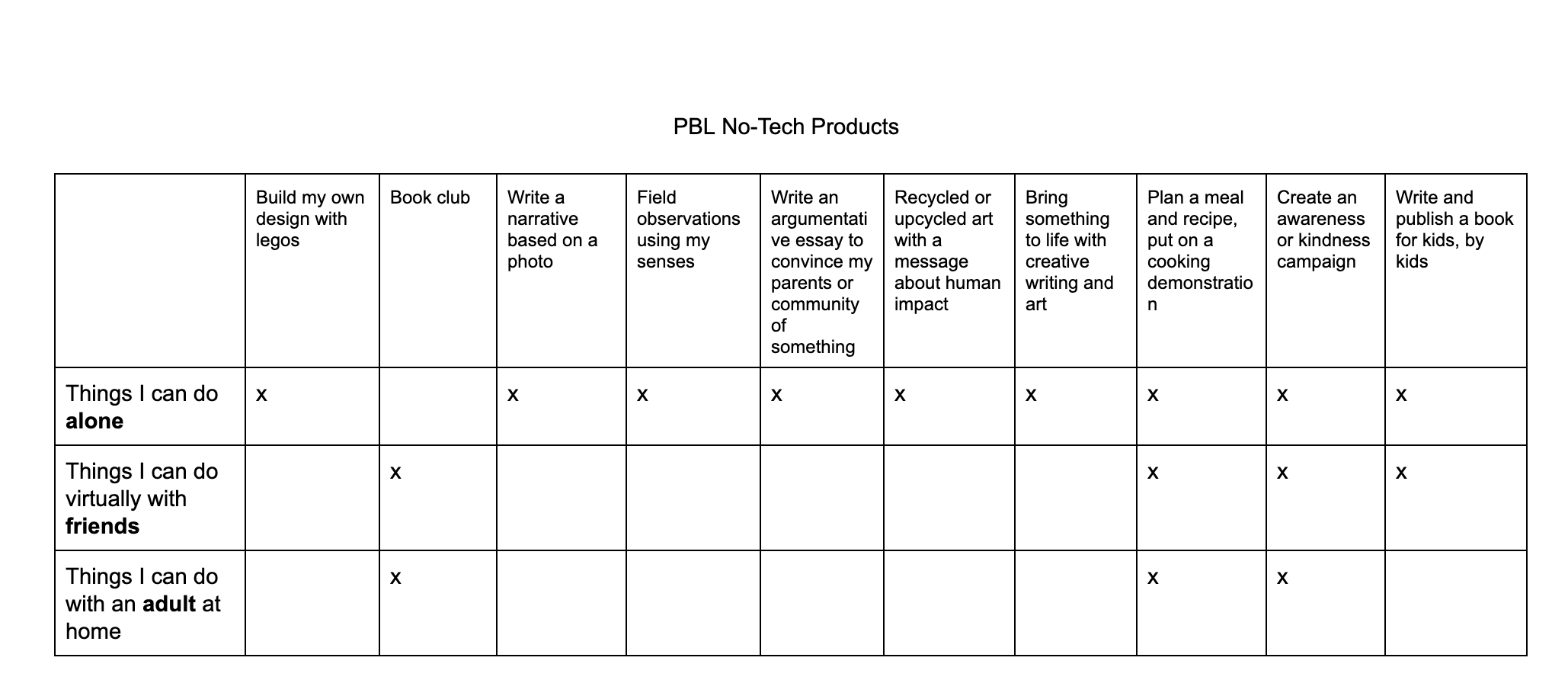
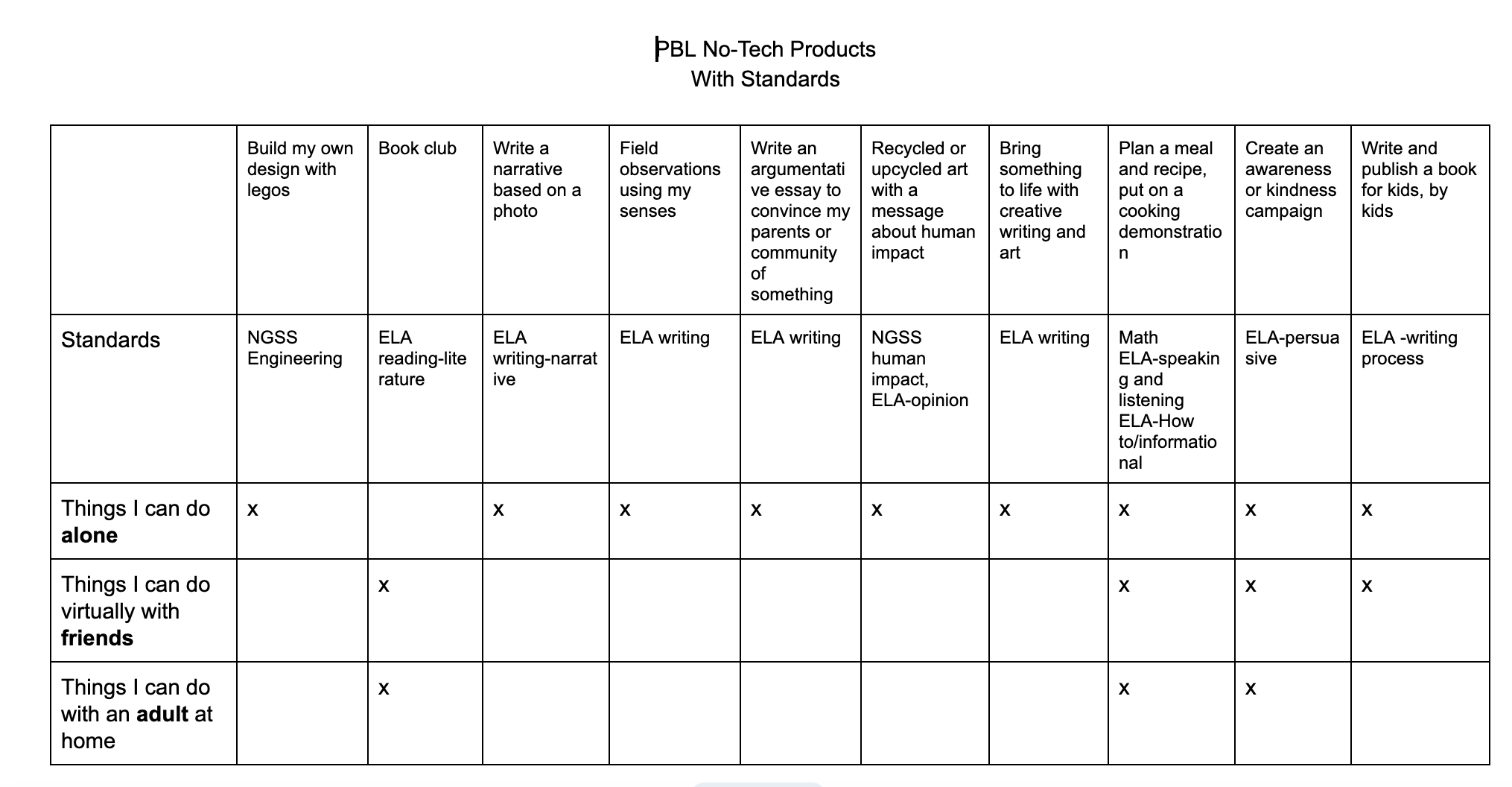
You might even consider developing a No-Tech Matrix to guide when AI in the classroom adds real value. Check out two of mine that I have used in different settings:
Artificial intelligence in education done right enhances great teaching rather than replacing it. The best AI tools for teachers should free educators to focus on what matters most: relationships, critical thinking, and deep learning.
Have you found effective AI tools for education in your classroom? Please share your experiences in the comments.
By Jennifer at Crafted Curriculum
About the Author: Jenny
